Markdown or HTML? Output format is an architectural decision
-
- AI |
- April 2026 |
- 04 Mins read
Most developers dedicate a disproportionate amount of time to refining the content of what they ask a language model, almost completely neglecting the form the response should take once generated. This is a common error in perspective, as the output format should never be considered a simple aesthetic detail or a visual frill, but rather an integral part of the technical specification itself.
To fully understand this distinction, it is useful to think of AI output not as a static text document, but as an actual API contract. Just as in traditional endpoint design where one consciously decides whether to return JSON, XML, or a binary blob based on the consumer’s needs, the same logic must guide the choice between Markdown and HTML. These two schemas are not interchangeable, as each is optimized for a radically different consumption pipeline.
Markdown as an intermediate representation
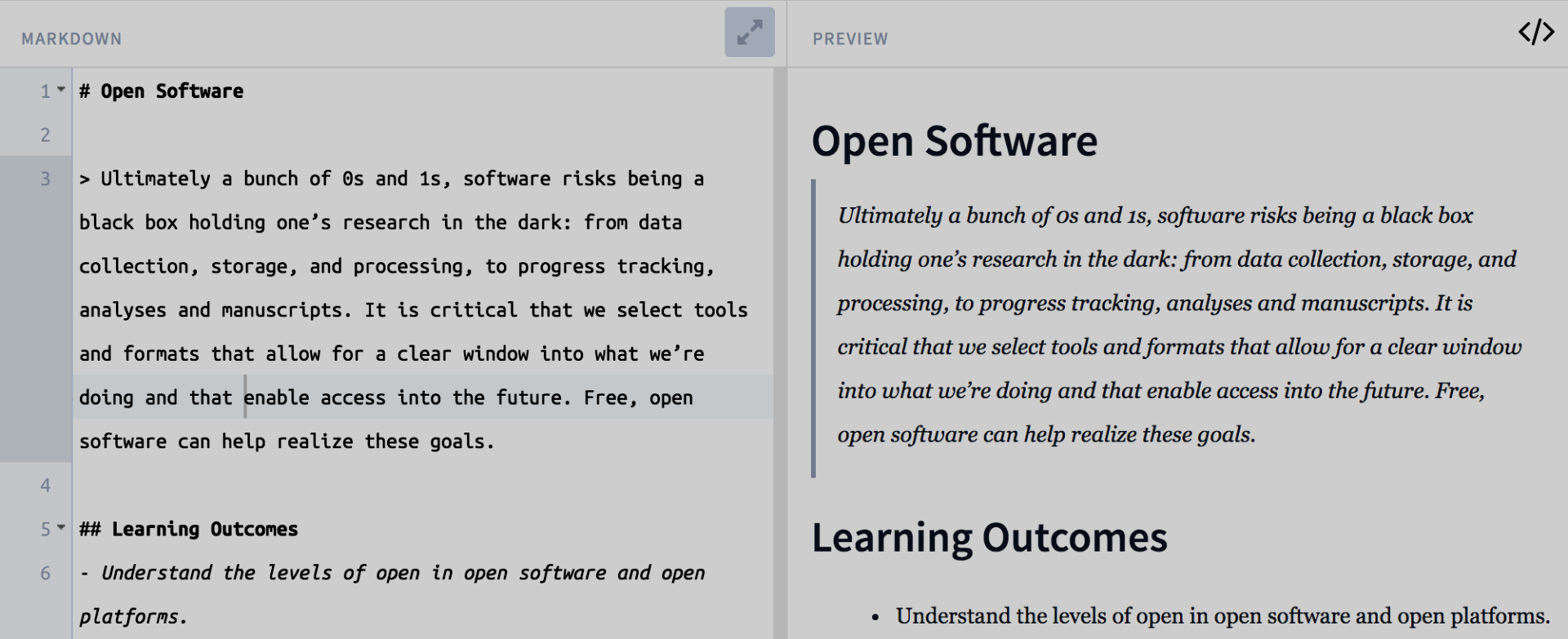
Markdown was born as a lightweight markup language with the goal of being readable in plain text and easily compilable, but from a software engineering standpoint, it should be considered an intermediate representation. It is a transitory format, inherently designed to be transformed, manipulated, or integrated into other systems at a later stage. When we ask a model to return Markdown, we are accepting a payload that is easy to parse, version on Git, or pass to external tools such as word processors and content management systems.
However, Markdown’s strength also lies in its primary limitation: its deeply linear nature. The sequential structure that develops from top to bottom is perfect for textual narratives or technical documentation, but it tends to stall when data complexity requires spatial layouts or parallel comparisons. In this context, Markdown forces information into a narrative funnel that can be restrictive for the immediate understanding of more complex data structures.
HTML and the dimension of layout
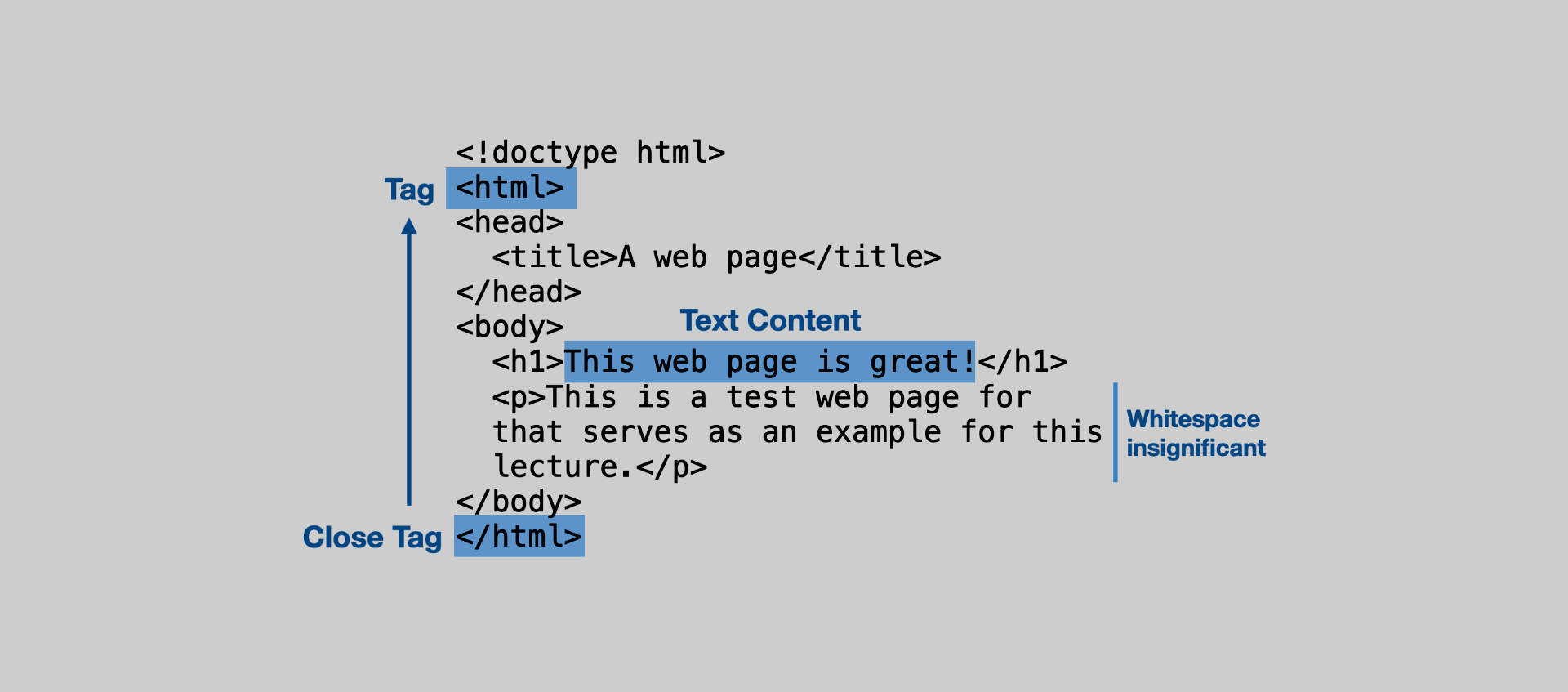
In contrast, HTML should not be considered an intermediate step, but rather the final rendering target. When a model produces raw HTML, it is not simply writing a draft; it is building an interactive surface ready to be viewed in a browser, shared via a link, or integrated directly into an operational dashboard. Producing HTML means delivering a finished product to a stakeholder who, likely, has no interest in interacting with code blocks or source files.
Through HTML, the model gains access to the dimension of layout, allowing it to overcome the constraints of linear narration. Thanks to this expressive freedom, artificial intelligence can place contrasting alternatives side-by-side, build navigable indices in real-time, or transform flat lists into timelines and expandable sections. This is not a decorative matter, as the layout itself becomes a form of information architecture that guides the reader’s attention to critical points without forcing them to navigate through an undifferentiated wall of text.
The evolution toward artifacts in agentic systems
This conceptual distinction becomes even more critical with the advent of agentic systems, where models stop producing simple textual responses and begin generating autonomous artifacts. While a response lives and dies within the chat flow, an artifact is an independent object that must survive outside of it—be it an operational plan, a risk matrix, or a data analysis tool. In these scenarios, the linearity of Markdown can become a genuine structural obstacle.
If a consultant or executive needs to examine several strategic options in parallel to identify deadlines and criticalities, the sequential format actively works against cognitive efficiency. HTML removes this constraint, allowing the model to encode information with the same hierarchy and navigability expected from a well-designed user interface, transforming content into an immediately usable work tool.
Strategies for an informed choice
The final decision on the format must derive directly from the analysis of how the output will actually be consumed by the end user. If the primary goal is subsequent editing or integrating the text into other writing tools, Markdown remains the choice of excellence for its portability. Conversely, when the output is intended for presentation, immediate consultation, or sharing with non-technical stakeholders, HTML offers unparalleled clarity and professionalism.
In cases where the consumption pattern is not immediately clear, it is possible to delegate the strategic evaluation to the model itself through a reflective approach. By asking the AI to analyze the goal of the request before generating the content, one obtains a result that is not only correct in substance but also optimized in form. A well-constructed prompt should push the model to choose Markdown for future manipulation or static HTML for autonomous consultation, briefly justifying its decision.
This method produces a dual advantage, as it forces the developer to reflect on the context of use and simultaneously pushes the artificial intelligence to reason about structure as much as vocabulary. Engineers know well that data serialization is a significant technical choice, and the same rigor must be applied to prompts. Defining the form of the response means asking who will use it and how, as ignoring this second half of the specification does not necessarily lead to an incorrect result, but almost certainly to an output destined to remain unused.